Tanzania · Safari destination
Ngorongoro Crater safari
A wildlife eden inside an ancient volcanic caldera.
Enquire about Ngorongoro CraterOverview
About Ngorongoro Crater
The Ngorongoro Conservation Area spans vast expanses of highland plains, savanna, savanna woodlands and forests. Established in 1959 as a multiple land use area, with wildlife coexisting with semi-nomadic Maasai pastoralists practicing traditional livestock grazing, it includes the spectacular Ngorongoro Crater, the world's largest caldera.
Landscape
A deep volcanic crater (caldera) with a salt lake (Lake Magadi) at its center.
Highlights
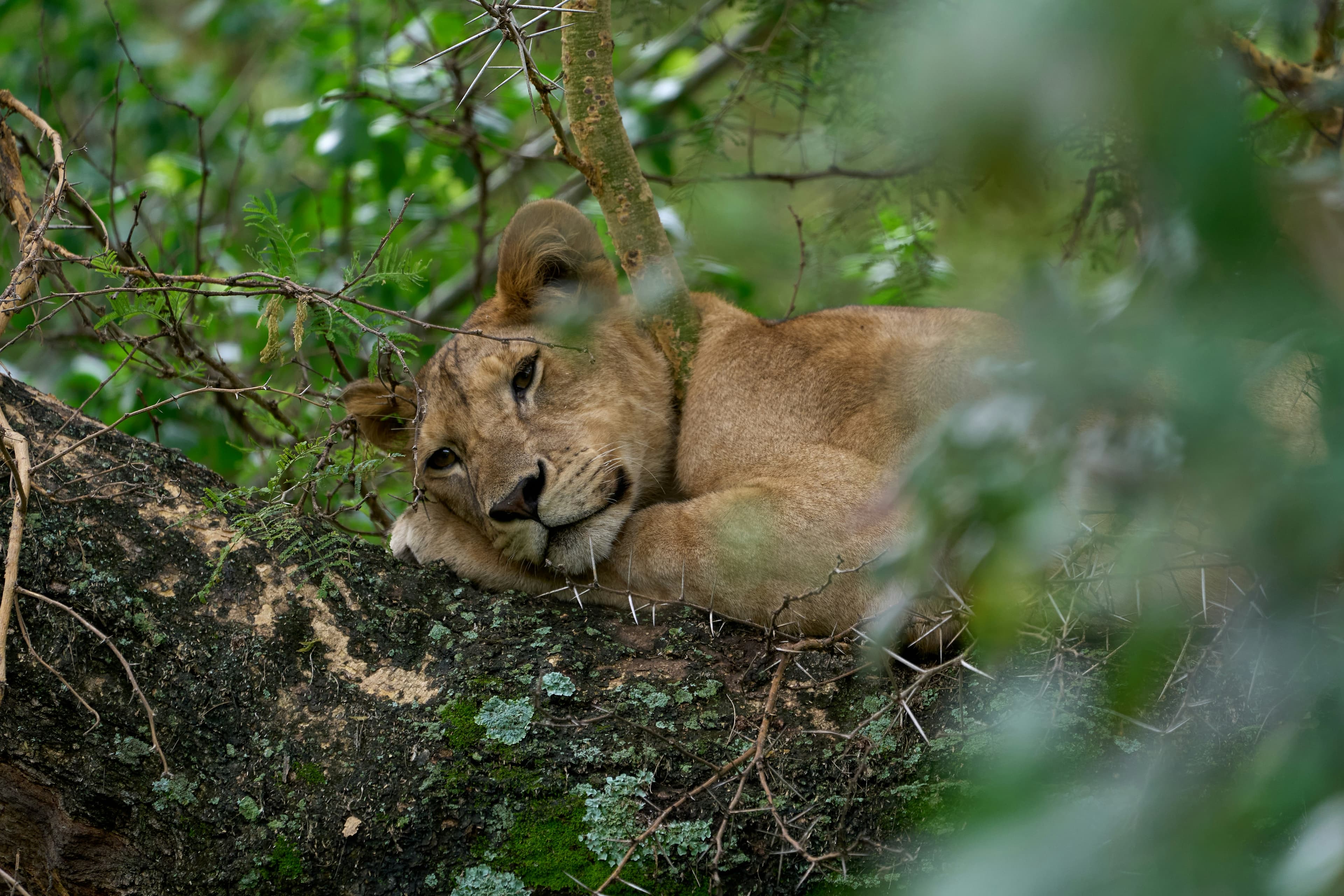
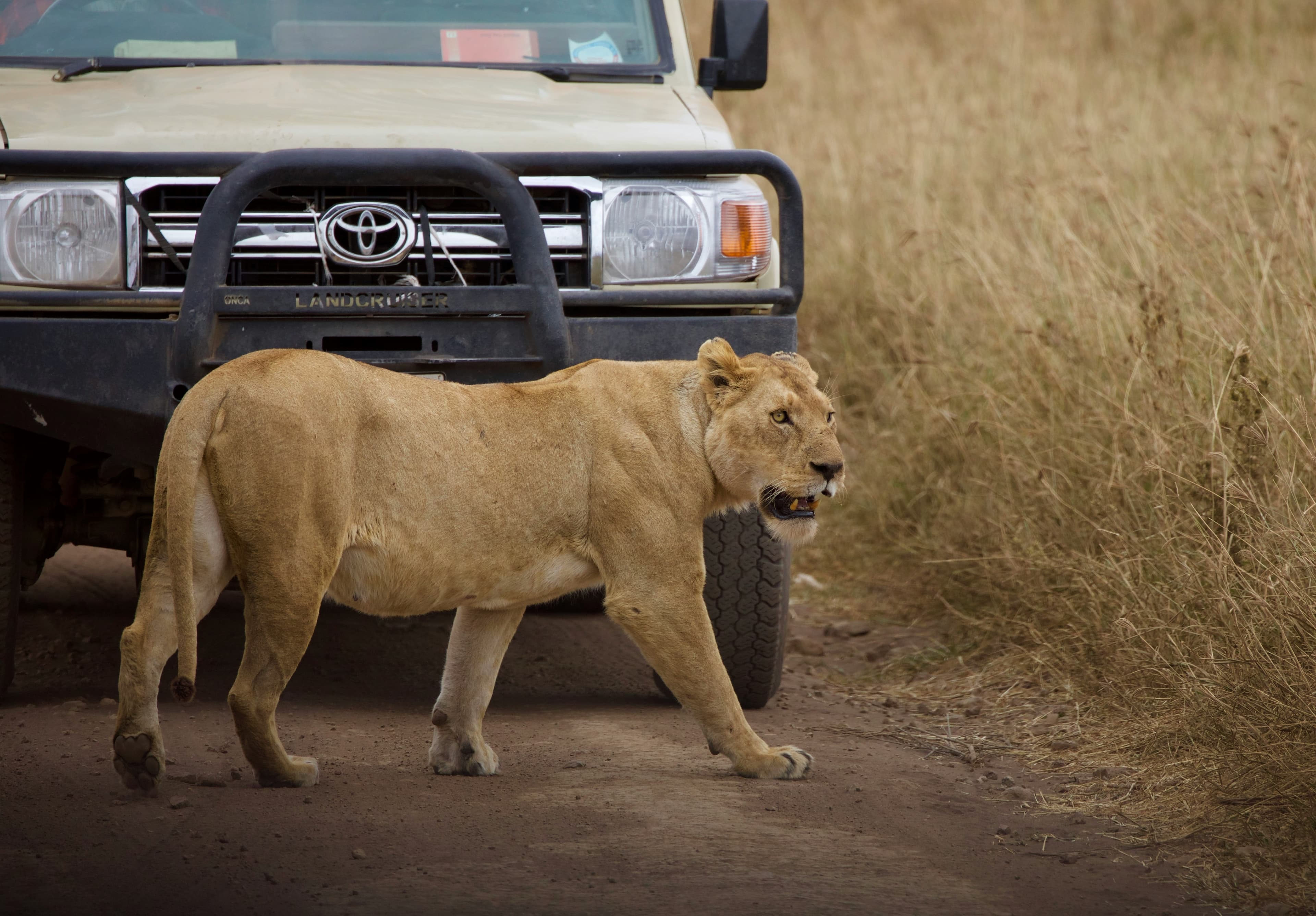
- Highest density of lions in the world
- Best place to see Black Rhinos
- Spectacular crater views
- Maasai Cultural Bomas
- Lerai Fever Tree Forest
When to go
Best time to visit Ngorongoro Crater
The prime months are June, July, August, September — but every season has something to offer. Here's what to expect month by month.
January
ExcellentGreen and lush. Good birding.
February
ExcellentWildflowers bloom. Migrant birds present.
March
GoodRainy season begins.
April
GoodHeavy rains. Low crowds.
May
GoodRains decreasing.
June
PeakCool and dry. Peak season begins.
July
PeakDry season. Easy to spot wildlife.
August
PeakDry season. High visitor numbers.
September
PeakDry and pleasant.
October
ExcellentShort rains may vary.
November
ExcellentShort rains.
December
ExcellentGreen scenery returns.